
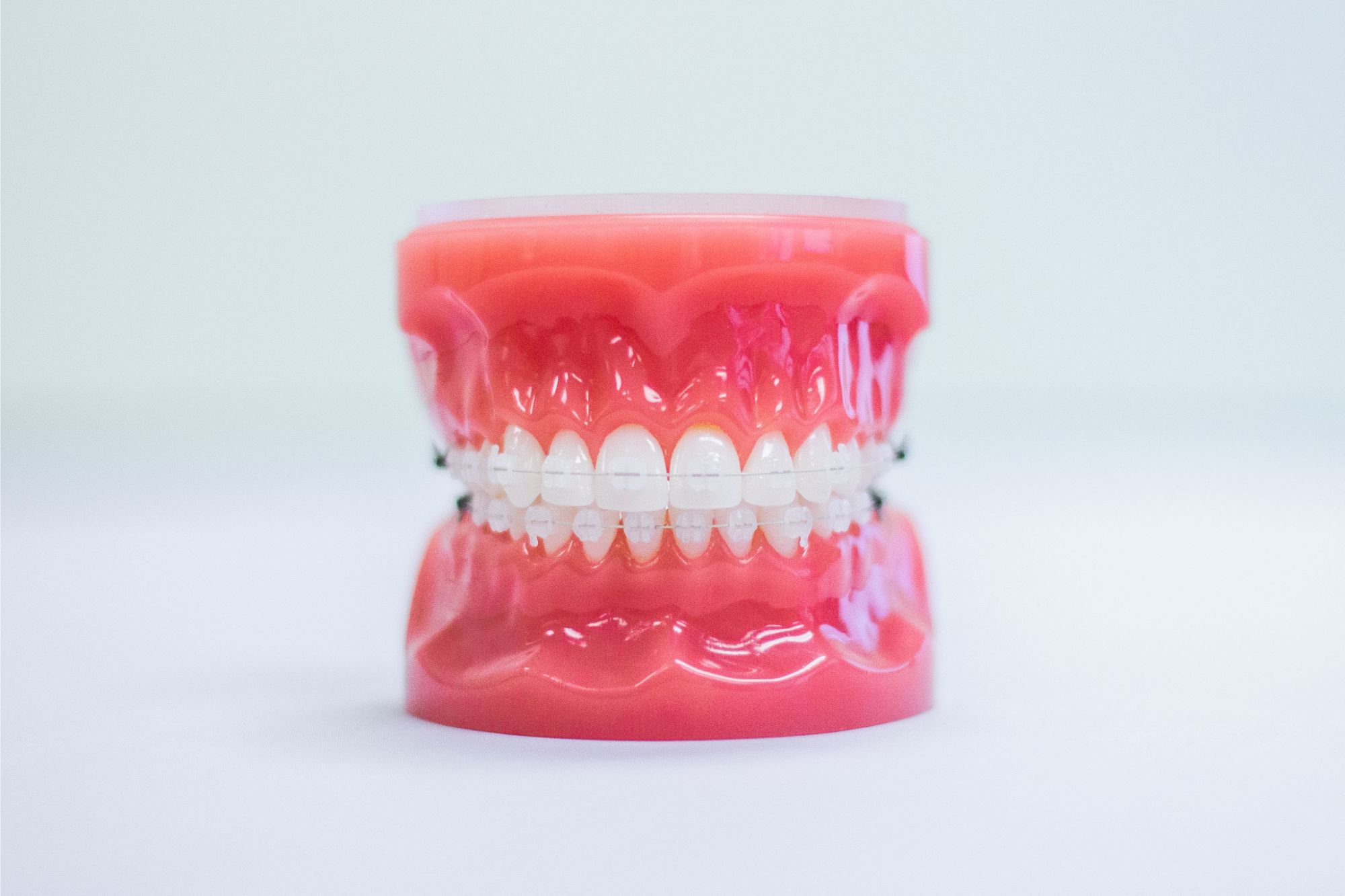
If your teen needs braces, one of the first decisions is the type. Comparing clear braces vs metal braces comes down to a few practical questions: How visible will they be? How much care do they need? And what fits your teen’s bite and your budget?
Both options work the same basic way: brackets bonded to the teeth and a wire that gradually moves them into place. Here’s how they differ.
How Clear Braces and Metal Braces Compare
- Appearance. Clear braces use tooth-colored ceramic brackets that blend in. Metal braces are more visible, although many teens enjoy picking colorful bands.
- Strength. Metal brackets are extremely durable and handle heavy forces well, which can help with more complex bite corrections.
- Care. Ceramic brackets resist staining, but the clear or white ties around them can discolor from coffee, tea, or curry between visits.
- Comfort. Both are comfortable once your teen adjusts. Modern brackets are smaller and smoother than the braces many parents remember.
- Cost. Clear braces typically cost a bit more than metal braces because of the ceramic material.
When Metal Braces Make Sense
Metal braces are a great fit for teens who want the most budget-friendly option, play contact sports, or have a bite that needs significant correction. They’re also popular with younger teens who like customizing band colors each visit. Learn more about metal braces at our office.
When Clear Braces Make Sense
Clear braces are popular with older teens who care about photos, jobs, or prom, and who want something less noticeable without switching to aligners. If your teen is responsible about brushing and willing to go easy on foods that stain, clear braces can be an excellent choice.
What About Invisalign for Teens?
Clear aligners are a third option for many teens. They’re removable and nearly invisible, but they only work if they’re worn about 22 hours a day. We’ll be honest about whether your teen’s bite and habits are a good match. See our braces for teens page for a full comparison.
Caring for Braces During Treatment
Whichever type your teen chooses, good habits make treatment faster and results better. Brush after meals, use a floss threader or water flosser around the wires, and avoid hard or sticky foods like popcorn, hard candy, and gum that can break brackets. Teens who play sports should wear a mouthguard designed for braces. Keeping regular adjustment appointments also keeps treatment on schedule.
Questions to Ask at Your Consultation
- Which option will give my teen the best result for their specific bite?
- How long will treatment take with each option?
- What will the total cost be, and what payment plans are available?
- What foods and habits should we plan around?
At Ellis Orthodontics, Dr. Len Ellis and Dr. Simona Lekht walk families through each of these questions and show you the options side by side. There’s no pressure to decide on the spot.
The Bottom Line
There isn’t a single “better” choice. The right one depends on your teen’s bite, lifestyle, and priorities. Metal braces win on strength and cost, while clear braces win on appearance. Either way, your teen gets a healthier, straighter smile.
We welcome families from Mount Laurel, Marlton, Moorestown, Medford, and Cherry Hill.
Ready to Take the Next Step?
Want a clear recommendation for your teen? Book a free consultation and we’ll compare clear and metal braces for your teen’s smile.