
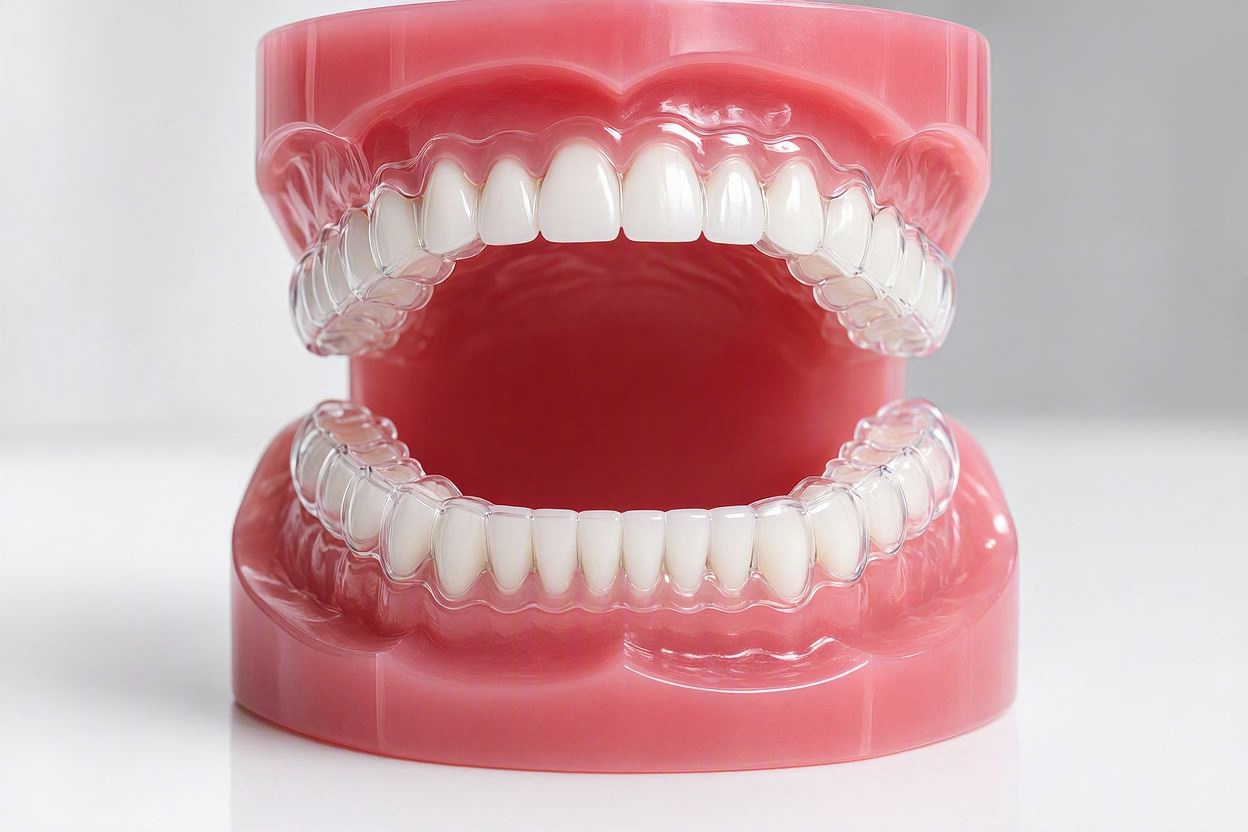
A lost or broken retainer is one of the most common calls an orthodontic office gets. Retainers get wrapped in napkins at lunch, left in hotel rooms, and chewed by the family dog. If it happened to you, don’t panic, but don’t wait either. Teeth can start shifting surprisingly quickly without a retainer.
Why Acting Quickly Matters
After braces or Invisalign, the bone and gum tissue around your teeth need time to stabilize. Teeth naturally want to drift back toward their old positions, especially in the first year after treatment. Even a few weeks without a retainer can allow noticeable movement. The sooner you replace it, the more likely a new retainer will fit without extra treatment.
What to Do If Your Retainer Breaks
- Stop wearing it if it’s cracked or sharp. A damaged retainer can irritate your gums or fail to hold your teeth correctly.
- Keep all the pieces. Bring them to your appointment so we can see what happened.
- Don’t try to glue or bend it yourself. Home repairs can change the fit and put pressure on your teeth.
- Call your orthodontist. Some retainers can be repaired, while others need to be replaced.
What to Do If Your Retainer Is Lost
- Check the usual suspects: lunch trays, napkins, backpacks, car cup holders, and pet beds.
- If you have a backup retainer, start wearing it right away.
- Schedule a replacement as soon as possible, ideally within a few days.
How Retainer Replacement Works
At Ellis Orthodontics, getting a new retainer is straightforward. We check how your teeth look now, take a fresh scan or impression, and make a custom retainer that fits your current smile. If your teeth have shifted slightly, we’ll talk through your options honestly.
We also help patients who finished treatment somewhere else. You don’t need to have had braces with us to get a replacement. Learn more on our orthodontic retainers page.
Types of Retainers
There are two main styles. Removable clear retainers look like thin aligners and are easy to take out for eating and cleaning. Fixed, or bonded, retainers are thin wires attached to the back of the front teeth. Fixed retainers are harder to lose, but they can come loose, so let us know if a wire feels different. Some patients use both. We’ll recommend the best option for your teeth and habits.
How Much Does a Replacement Retainer Cost?
The cost depends on the type of retainer and whether any adjustment is needed first. Our team will give you the exact fee before we start, and replacing a retainer quickly is almost always less expensive than correcting teeth that have shifted.
Tips to Protect Your Next Retainer
- Always store it in its case, never in a napkin or pocket.
- Keep it away from hot water, dashboards, and dishwashers, which can warp plastic.
- Clean it gently every day with cool water and a soft brush.
- Keep it out of reach of pets, since dogs are attracted to the scent.
- Ask about a backup retainer so a loss doesn’t leave you without one.
Should I Just Stop Wearing My Retainer?
We don’t recommend it. Most orthodontists advise wearing a retainer at night long-term to protect your results. A retainer is a small investment compared with restarting treatment later.
Patients visit our Church Road office from Mount Laurel, Marlton, Moorestown, Medford, and Cherry Hill.
Ready to Take the Next Step?
Lost or broken retainer? Don’t wait for your teeth to shift. Book a visit and we’ll get you a custom replacement quickly.